The next practitioners of internal communication will be teams who treat managers as communicators, create trust as strategy, and include AI as a member of their team.
For years, we’ve chased “best practice” — the polished campaign, the perfect cascade, the clean intranet update. But best practice keeps us looking backward, measuring ourselves against what’s already been done. Next practice asks something different: What do we need to build now for the future we’re moving into?
Next practice means leading, not catching up.
Consider the manager gap. The 2025 Integral Index shows employees trust their managers more than any other voice in the organization. Yet one in four frontline managers say they’re never asked to share organizational updates, and only half feel equipped with enough information to communicate well.
We call managers our “most important communicators,” yet we rarely support them like they are. Next practitioners don’t wait for even more proof that empowering managers works — they design for the trust that already exists.
The same forward stance applies to organizational trust. When companies communicate clearly, align messages with their values, and admit mistakes, every positive behavior rises. Employees stay longer and with greater commitment to customers and colleagues. They defend the brand. They speak positively about where they work.
Next practice recognizes that trust isn’t built by having the right answers — it’s built by showing up honestly in the moments of uncertainty. That requires leaders who communicate before they’re comfortable, not after everything is resolved.
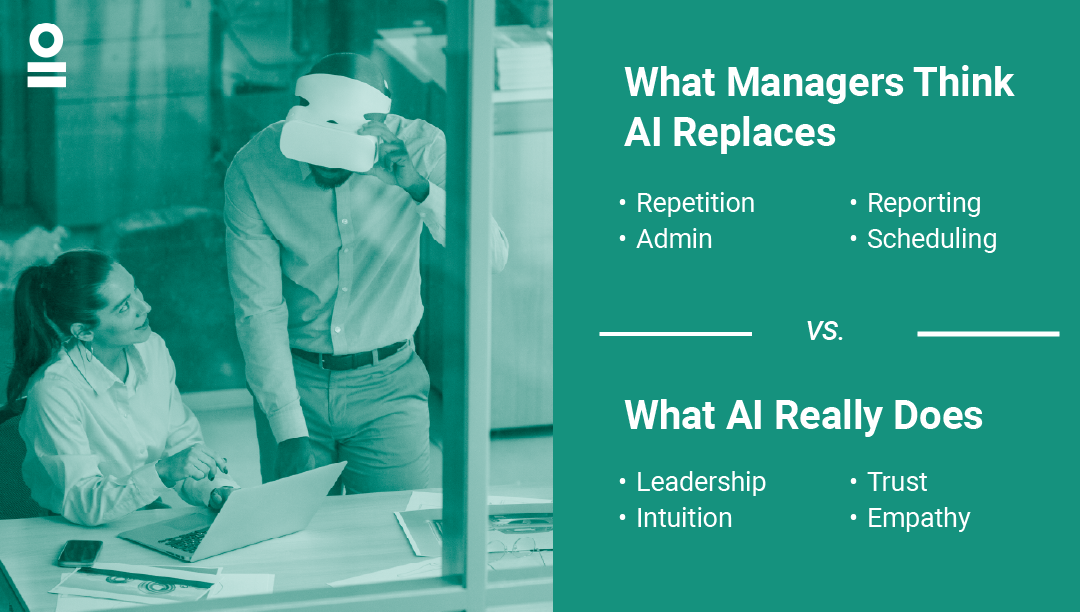
And AI? Next practice treats it as a teammate, not a solution we’re still evaluating. AI can enable us to listen at scale, surface insights, and test how messages resonate. It can’t feel the pulse of trust, but it can locate the trustworthy messengers and messages faster — when communicators stay in relationship with AI, feeding it context, questioning its assumptions, teaching it nuance.
The next practices in internal communication aren’t about new tools or templates. It’s about new relationships — between communicators and managers, between leaders and employees, between humans and intelligent systems.
The opportunity ahead is to make those relationships intentional, honest, and connected. Not because we’ve seen it work elsewhere, but because we’re willing to build what’s needed now.
That’s the difference between following and leading. The next practitioner chooses to lead.