There is a lot of panicked noise right now about AI replacing writers. I hear it everywhere. The assumption is that if a machine can generate a thousand words in 10 seconds, the art of storytelling must be losing its impact.
I see it differently.
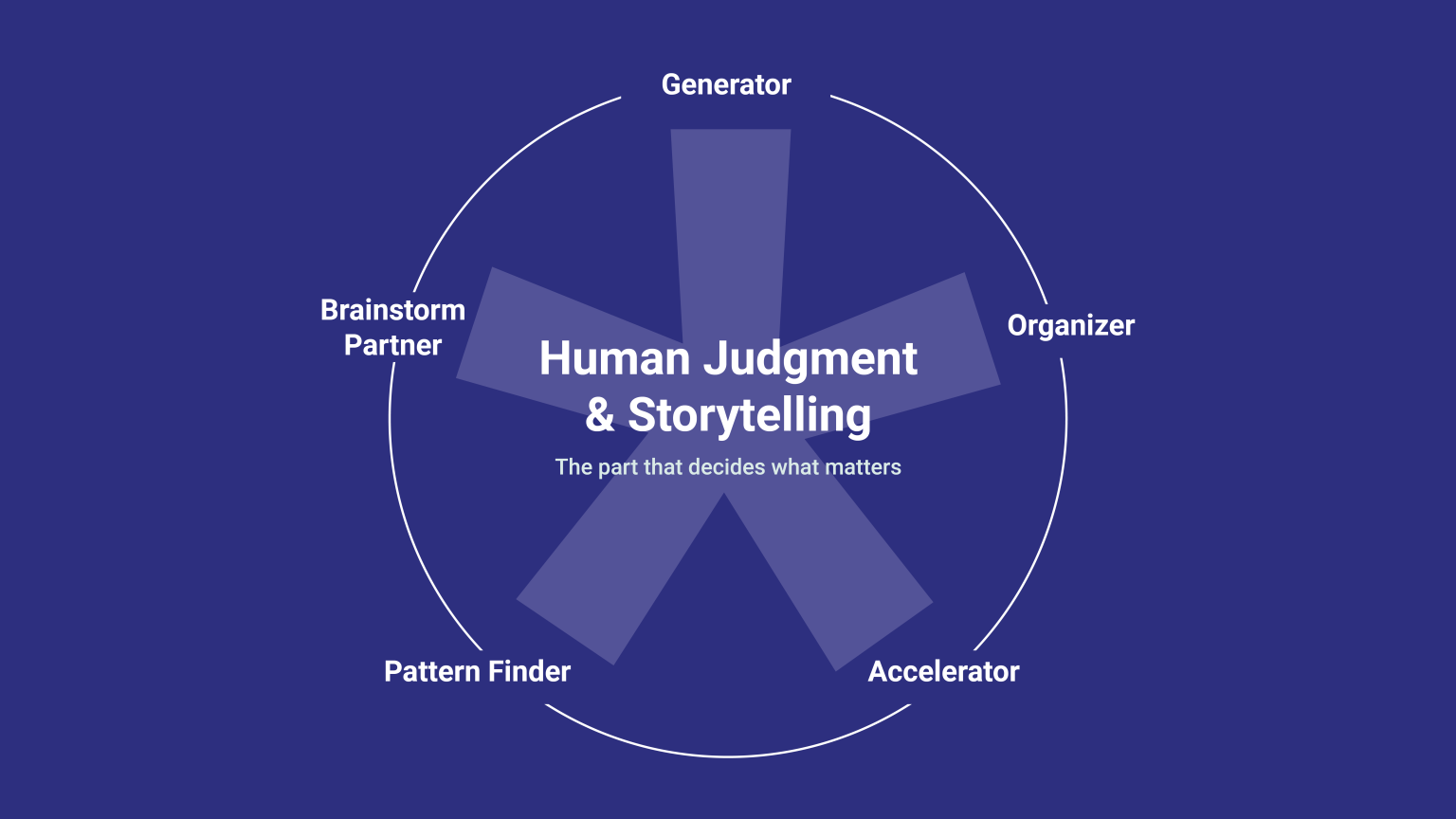
I use AI. AI even helped me organize my thoughts for this blog. It is a tool, much like a faster car or a sharper chisel. It helps me surface patterns, summarize the boring stuff and organize the raw wreckage of my first drafts. It speeds up my process. But I’ve realized that speed is useless if I am driving in the wrong direction.
Where Judgment Still Matters
This brings me to the one thing I do that AI never will: I make the judgment calls. A machine cannot feel the room. It cannot decide to be vulnerable or tell a difficult truth that might make people uncomfortable, but ultimately builds trust. It cannot look a reader in the eye through the page and say, “I know exactly how you feel.”
I have learned the hard way that human gut check is the only thing that actually makes writing work. For me, storytelling has always started with the audience. It is never about the tool I use, the platform I post on or my own ego. Sure, I stumble. But I’ve found that the writers who actually endure are the ones who obsess over who they are talking to and why that person should care. That is more vital now than ever.
When I put my audience first, my entire approach shifts. I have to listen before I type a single word. I try to respect my readers’ time enough to get to the point, but I also respect their intelligence by not overexplaining the obvious. When I get that connection right, it feels like engagement rather than pushing a message.
Making Meaning Out of the Mess
My job is to take complexity and make it usable. Most ideas arrive in my head as fragmented data and half-formed insights. The work is in shaping those jagged pieces into a narrative that makes sense in the real world. That is where influence begins. When an idea is grounded in lived experience, people start to internalize it.
What happens next belongs to the reader.
The stories that stay with me do not treat me like an observer. They invite me in. When readers can see themselves in the story, they imagine outcomes. They decide for themselves what action makes sense.
That is why storytelling still drives the outcomes that matter. It builds a trust that I can’t manufacture with a prompt. It aligns teams around shared meaning. It moves people because it connects information to their identity.
Storytelling remains a craft for me because it requires the courage to hold a point of view. Most of all, it requires my stubborn commitment to putting the audience first. That has not changed. In a world of automated noise, I’m betting on that being the only real differentiator writers have left.